The journey of gambling from ancient rituals to modern casinos
The Origins of Gambling in Ancient Civilizations
The roots of gambling can be traced back to ancient civilizations where games of chance were intertwined with rituals and social practices. Archaeological evidence shows that as early as 3000 BC, the Chinese were using rudimentary dice made from bone or wood. These early forms of gambling were often linked to divination, where casting lots was believed to reveal the will of the gods. This practice laid the groundwork for gambling’s evolution, intertwining luck and spirituality, similar to the experiences shared in modern celebrity casino stories, like those found on 1xbetregistrationsomalia.com/login/.

Similarly, in Mesopotamia, clay tablets dating back to 2000 BC depict various games of chance. The Babylonians would use dice for entertainment and decision-making, reflecting the universal human interest in games that offer both risk and reward. These early forms of gambling were not just about winning but also served as a communal activity, fostering social bonds among participants while allowing for a collective experience rooted in excitement and uncertainty.
As civilizations expanded, gambling practices became more organized. The Egyptians engaged in games that involved betting on the outcome of dice throws and other games of chance. These early instances laid the foundation for the sophisticated gambling structures we see today, highlighting an enduring human fascination with risk, strategy, and the thrill of uncertainty in various social contexts.
The Transition to Formalized Betting Systems
With the rise of the Roman Empire, gambling underwent significant changes, transitioning from informal games to more formalized betting systems. Romans enjoyed betting on chariot races and gladiatorial contests, which were major public spectacles. These events provided fertile ground for betting, allowing citizens to wager on their favorite gladiators or charioteers, effectively institutionalizing gambling within entertainment.
The Romans not only popularized betting but also established laws regulating gambling. These regulations highlighted the importance of gambling in Roman society, as it was seen as a legitimate source of amusement and social interaction. The introduction of formal betting systems marked a significant departure from the spontaneous, ritualistic gambling of earlier times, paving the way for future developments in gambling practices.
As the Roman Empire expanded, it influenced surrounding cultures, spreading the practice of gambling across Europe. This adaptation included the creation of various gaming houses, which offered a range of games, thus formalizing the gambling experience. The structured nature of gambling began to attract a broader audience, setting the stage for its evolution into the sophisticated establishments we now recognize as casinos.
The Rise of Gambling in the Middle Ages
The Middle Ages saw a resurgence of gambling, fueled by the emergence of gaming houses and the introduction of card games. These establishments became social hubs where nobles and commoners alike gathered to partake in games of chance. The invention of playing cards in the 14th century further diversified gambling options, leading to the development of games such as poker and blackjack, which became staples of modern gambling culture.
In this era, gambling was often linked to chivalric ideals and was seen as a test of skill and bravery, particularly among the nobility. Tournaments often included betting on outcomes, reflecting the competitive spirit prevalent in society. However, gambling also faced opposition from religious institutions, which viewed it as a vice that could lead to moral decay. Despite this, the popularity of gambling persisted, adapting to societal changes while maintaining its allure.
The integration of gambling into daily life continued to evolve, eventually leading to the establishment of the first official state-run lotteries in the 16th century. These lotteries, designed to fund public projects, represented a significant shift in the perception of gambling. As it became more institutionalized, gambling began to be viewed less as a moral failing and more as a legitimate economic activity, setting the stage for modern gambling establishments.
The Birth of Modern Casinos
The concept of the casino as we know it today began to take shape in the 17th and 18th centuries, particularly in Italy with the establishment of the first gambling houses. The term ‘casino’ itself, which translates to ‘little house,’ reflects the social aspect of these venues. They were designed not merely for gambling but as places of social interaction where patrons could enjoy music, dining, and entertainment alongside their betting activities.
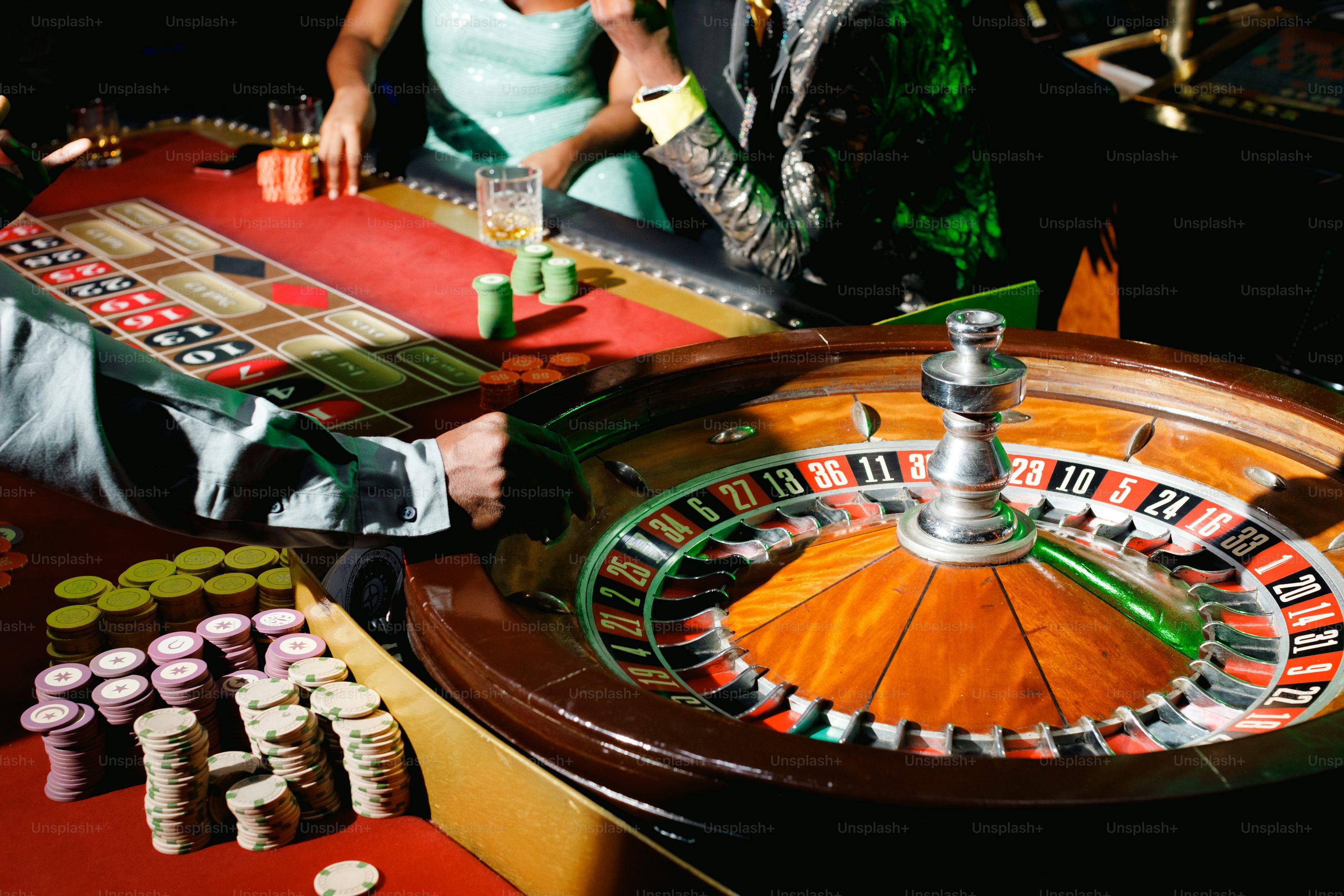
As gambling spread across Europe, cities like Monte Carlo emerged as iconic destinations for the wealthy and elite. The introduction of games such as roulette and baccarat became synonymous with luxury and sophistication, transforming the gambling experience into an extravagant affair. The casino was no longer just about chance but evolved into a multi-faceted entertainment experience that combined thrill with social engagement.
The American gambling landscape began to shift in the 19th century with the opening of casinos in places like New Orleans and later Las Vegas. The glitzy, extravagant nature of Las Vegas casinos brought gambling into the mainstream, making it a key aspect of American culture. Today, modern casinos offer a wide range of games, from slots to table games, as well as entertainment options like concerts and fine dining, showcasing the evolution of gambling from ancient rituals to a billion-dollar industry.
The Future of Gambling and Online Platforms
Today, the journey of gambling continues to evolve with the rise of online platforms and mobile applications. The digital age has transformed how people engage with gambling, offering unprecedented convenience and accessibility. Online casinos have proliferated, allowing players to experience the thrill of gambling from the comfort of their homes. This shift has expanded the audience for gambling, attracting younger generations who prefer the ease of digital platforms.
Innovations in technology, such as live dealer games and virtual reality casinos, are redefining the gambling experience. These advancements enable players to interact with live dealers in real-time, mimicking the casino atmosphere and enhancing the overall experience. The integration of social features in online gambling platforms fosters community among players, bridging the gap between physical and virtual gambling experiences.
As regulations surrounding online gambling continue to evolve, the industry faces both opportunities and challenges. Responsible gaming initiatives are becoming more prominent, emphasizing player safety and well-being. The future of gambling is poised for further transformation as technology advances, continuing the legacy of adaptability that has characterized gambling throughout history.
Explore Responsible Gaming with 1xBet
As the gambling landscape evolves, platforms like 1xBet are leading the charge in providing a secure and responsible gaming environment. With a comprehensive registration process and advanced encryption to protect personal data, 1xBet prioritizes user safety. The platform offers a wide range of betting options, catering to diverse interests while ensuring that responsible gaming practices are at the forefront.
1xBet promotes responsible gaming by offering tools for account management, allowing players to set limits and monitor their gaming habits. With round-the-clock support, users can easily access assistance whenever needed, ensuring a seamless experience. This commitment to player safety reflects a broader trend in the gambling industry, recognizing the importance of balancing entertainment with responsibility.
As we reflect on the journey of gambling from ancient rituals to modern casinos, it’s clear that the industry has come a long way. Platforms like 1xBet are shaping the future of gambling by merging innovation with responsible practices, ensuring that players can enjoy their experiences safely and responsibly while celebrating the rich history of gambling.