The psychological effects of casino design
The design of a casino significantly influences the psychology of its players, as seen in online environments that offer options like uk casino fast withdrawal to enhance user experience. Color schemes, lighting, and overall aesthetics create an atmosphere that can either invite or repel individuals. For instance, warm colors like red and gold stimulate excitement and a sense of urgency, encouraging players to take risks and stay longer. Meanwhile, soothing colors can create a more relaxed environment, appealing to those seeking leisure rather than thrill. Understanding these psychological triggers allows casino designers to craft spaces that enhance engagement and increase dwell time.
Moreover, the layout of a casino plays a crucial role in guiding player behavior. An open floor plan with strategically placed gaming tables encourages exploration and movement. When players encounter clusters of games, they are more likely to become curious and experiment with different types of gameplay. This design approach capitalizes on natural human tendencies toward exploration, making it easier to draw players into the gaming experience. In contrast, poorly designed layouts can lead to confusion and frustration, ultimately driving players away.
The auditory environment within a casino also affects players’ emotions and decisions. Soundscapes, such as the jingling of coins or upbeat music, can enhance the overall experience, making players feel energized and more willing to spend. Designers often use these auditory cues to create a sense of euphoria and excitement, reinforcing the idea that a win is just around the corner. This psychological manipulation can significantly impact player behavior, leading to prolonged gaming sessions and increased expenditures.
The role of space and layout in player engagement
Space allocation within a casino is another critical factor influencing player behavior. By creating distinct zones for different types of games—from high-stakes poker rooms to low-limit slots—casinos can cater to diverse player preferences. This segmentation allows attendees to feel more comfortable and confident in their choices, which may increase their likelihood of participating in different games. When players feel at ease, they tend to spend more time and money, ultimately benefiting the casino’s bottom line.
The strategic placement of amenities, such as bars and restaurants, contributes to the overall experience and can keep players engaged for longer. A well-placed lounge area encourages social interactions and networking, enhancing the excitement and enjoyment of the gaming experience. Casinos that thoughtfully consider the interplay between gaming areas and social spaces create environments that are more conducive to play and interaction, fostering a sense of community while promoting longer stays.
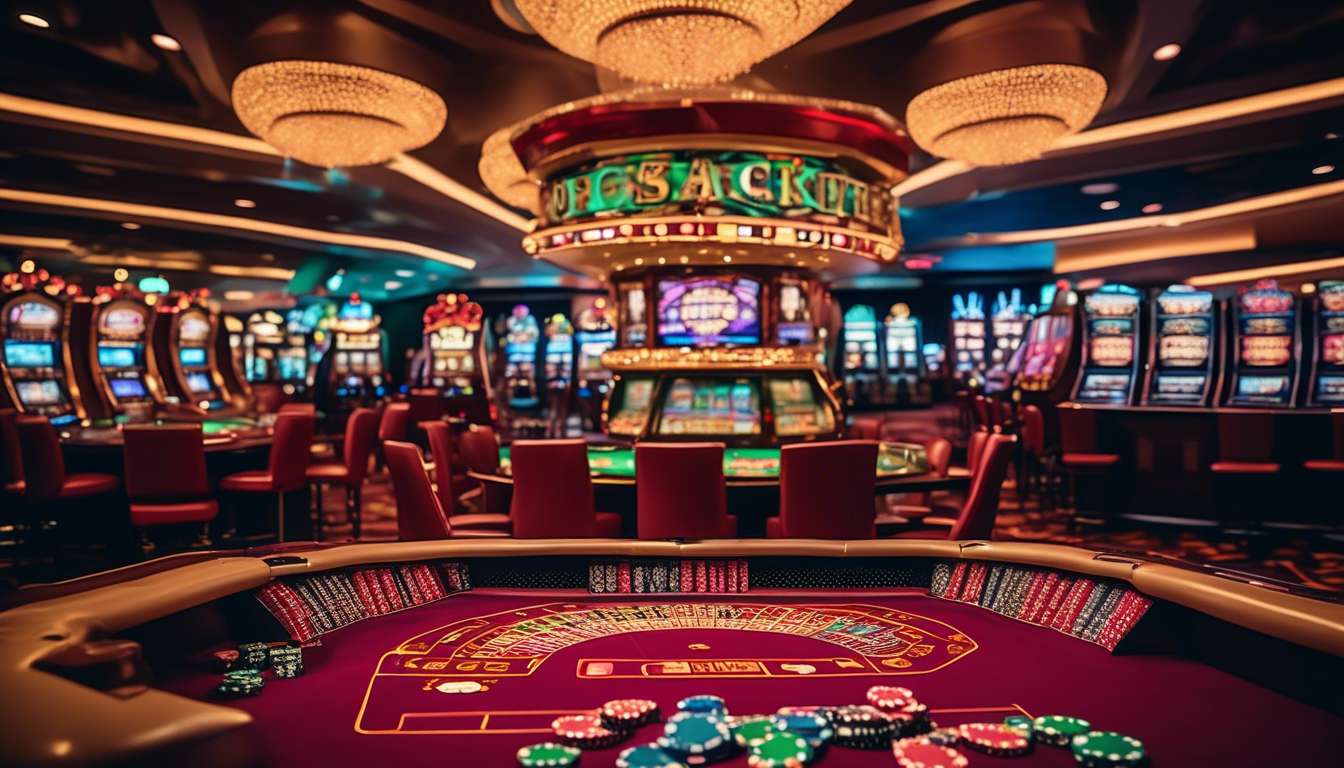
Furthermore, visibility is a significant aspect of casino design that can influence player engagement. Ensuring that popular games are easily seen from various locations within the casino draws in more players. This visibility encourages participation and creates a buzz around certain games, as players may not want to miss out on the excitement that other participants are experiencing. By designing spaces where high-engagement games are prominent, casinos can effectively increase foot traffic and player interaction.
Lighting and ambiance: more than just aesthetics
Lighting plays a pivotal role in shaping the ambiance of a casino, influencing how players perceive their gaming experience. Bright, dynamic lighting at slot machines and game tables can create an energetic atmosphere, encouraging players to engage more deeply with the action. Conversely, softer, warmer lighting can provide a feeling of intimacy and comfort, allowing players to unwind and enjoy their experience without feeling rushed. The dual approach to lighting can cater to different player preferences and moods, making casinos more accessible to a broader audience.
In addition, the use of natural versus artificial light can influence player behavior differently. Casinos often lack windows to prevent players from keeping track of time, which can lead to longer gaming sessions. By manipulating light levels, casinos have the power to create a sense of timelessness, where the outside world seems irrelevant, and the focus shifts entirely to the games at hand. This technique can lead to increased spending and longer visits, albeit at the potential cost of player awareness.
Furthermore, the integration of scent in the casino environment can complement lighting and ambiance, creating a multi-sensory experience. Pleasant aromas, whether evoking the scent of fresh pastries or a light floral note, can enhance players’ moods and potentially increase their willingness to spend. The interplay of lighting, scent, and sound creates an immersive atmosphere that captivates players, making the casino experience memorable and more likely to lead to repeat visits.
The importance of thematic elements in casino design
Thematic elements within a casino can significantly impact player behavior by providing immersive experiences that resonate with personal preferences. Themes—ranging from classic Las Vegas glitz to cultural influences—can create a narrative that attracts specific demographics. For example, a casino designed with an Egyptian theme may draw in players interested in history and mythology, appealing to their sense of adventure and curiosity. By aligning design with theme, casinos create spaces that evoke emotions and foster a deeper connection with players.

A well-executed theme can harness nostalgia, triggering memories that encourage players to engage. For instance, a retro-themed slot machine area may appeal to older players who reminisce about classic films or music from their youth. Such emotional ties can lead to increased play and spending, as players feel a genuine attachment to the themed experience. Additionally, themed events and promotions within these spaces can further enhance player engagement, as they feel part of a unique and dynamic atmosphere.
Moreover, the consistency of thematic elements throughout the casino reinforces the overall experience and keeps players immersed. This attention to detail ensures that from the moment they enter to their last game, players are enveloped in a cohesive environment. Such careful crafting of themes can lead to memorable visits, resulting in repeat business and positive word-of-mouth that extends beyond the casino walls. When players feel they are part of something special, they are more likely to share their experiences, boosting the casino’s reputation and attracting new visitors.
Enhancing player experience through thoughtful design
Thoughtful casino design is essential for enhancing the player experience, as it can directly affect loyalty and retention rates. By understanding the preferences and behaviors of their clientele, casinos can customize their environments to create unforgettable experiences. Features like comfortable seating, accessibility amenities, and rewarding loyalty programs can significantly influence the decision to stay longer and return. These elements not only enhance comfort but also foster a sense of belonging that keeps players engaged.
In a highly competitive industry, casinos must continually innovate their design concepts to maintain player interest. Offering unique gaming experiences, like interactive games and immersive environments, can set a casino apart from others. For instance, incorporating virtual reality or augmented reality elements within the gaming areas can capture the attention of tech-savvy players, providing them with modern entertainment that traditional designs cannot offer. Such innovative approaches are vital for attracting new demographics and ensuring ongoing player engagement.
Ultimately, the design of a casino transcends mere aesthetics; it plays a pivotal role in shaping player behavior and experiences. By investing in thoughtful design that considers psychological, social, and sensory aspects, casinos can create environments that draw players in and encourage repeat visits. As the landscape of gaming continues to evolve, the significance of design will only grow, making it a critical component of a successful casino strategy.